7 min read
I am starting out in social media design and management, web design, content creation, copywriting, and AI image creation, all at once. I have no track record in any of them. When I searched how long it takes to see results when starting out in freelance design and content creation, every answer came with a number: 30 days, 90 days, six months. None of those numbers apply to someone like me, and probably not to you either.
So this post does something different. It skips the timeline and lists what I’m going to measure instead.
Where I’m starting from: five skills and no track record
Each skill is a field with its own tools, habits, and clients. Social media work means design, scheduling, captions, and some understanding of what an audience responds to. Web design means layout, page structure, and making a site usable. Content creation and copywriting both come down to writing for a purpose, but the purposes differ. AI image creation adds a fifth skill: writing prompts, judging outputs, and knowing when an image is good enough to use.
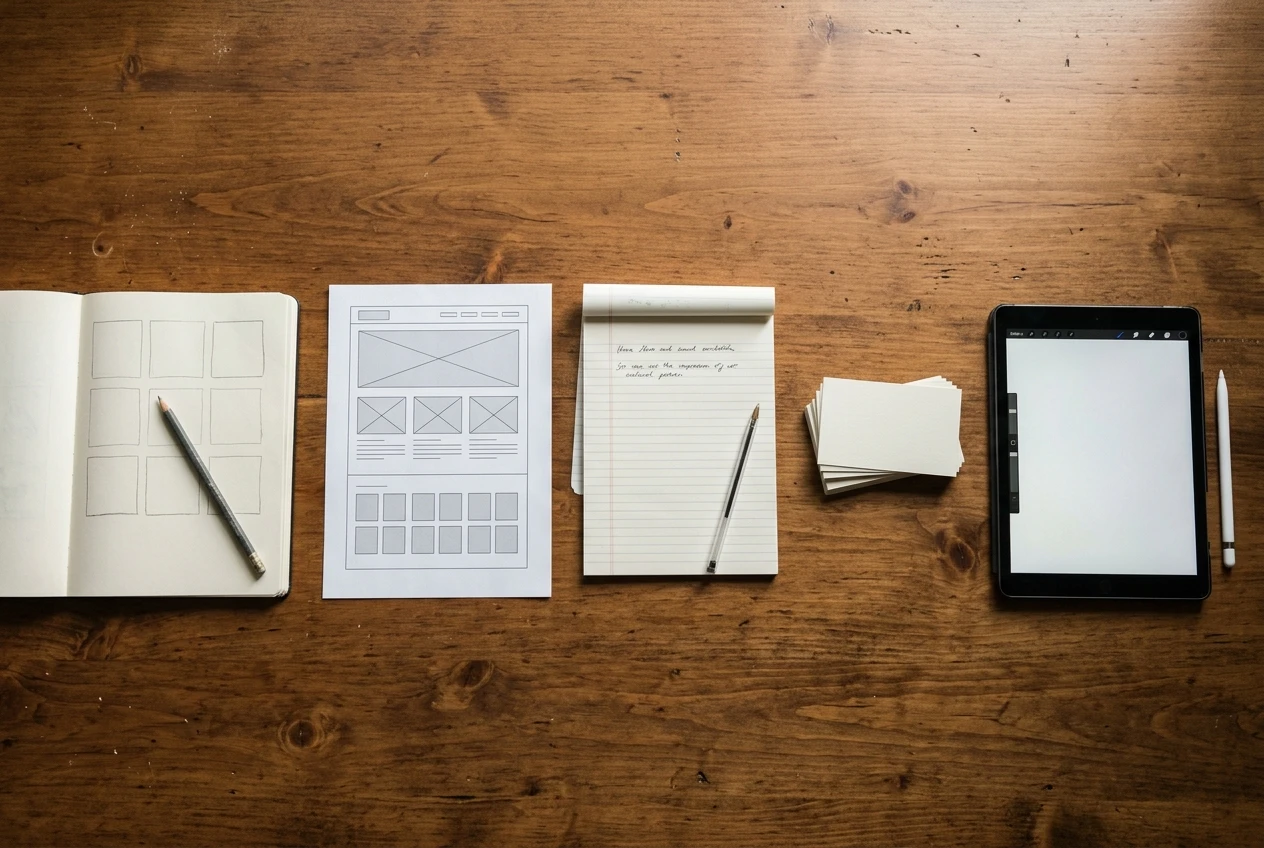
Starting all five means I have nothing to point to yet. No portfolio, no testimonials, no past clients. Anyone who offers creative services starts from that position, and that’s why results take a while: before anyone pays, they need something to look at and a reason to trust it.
Why I won’t give you a timeline
Time to first paid work depends on things nobody can see from the outside. It depends on how many hours you can put in each week, which skill you pick, how quickly your work improves, whether you have an existing network, and how you find people who need what you offer. Two beginners doing the same things can land very different outcomes, and a published average would hide that spread.
A timeline I made up would also do harm. If I said “three months” and you were at month four with nothing, you would conclude something was wrong with you. The more likely explanation is that the number was never reliable.
I can tell you how I will know whether I’m moving. That is more useful than a date.
The question I’m asking instead: what counts as a result at the start?
“When will I get paid?” is a late-stage question. Payment is the last event in a chain, and at the start you can’t see most of the chain. If you count only income as a result, you will spend weeks or months with a score of zero, even as you improve.
A more useful question is: what has to be true before someone pays me, and can I check each of those things now? Framed that way, early progress becomes visible. You can see work accumulating long before you can see money.
Early signs of progress I’m tracking, from finished practice pieces to a first real inquiry
These are the signs I’m watching, in roughly the order I expect them to appear.
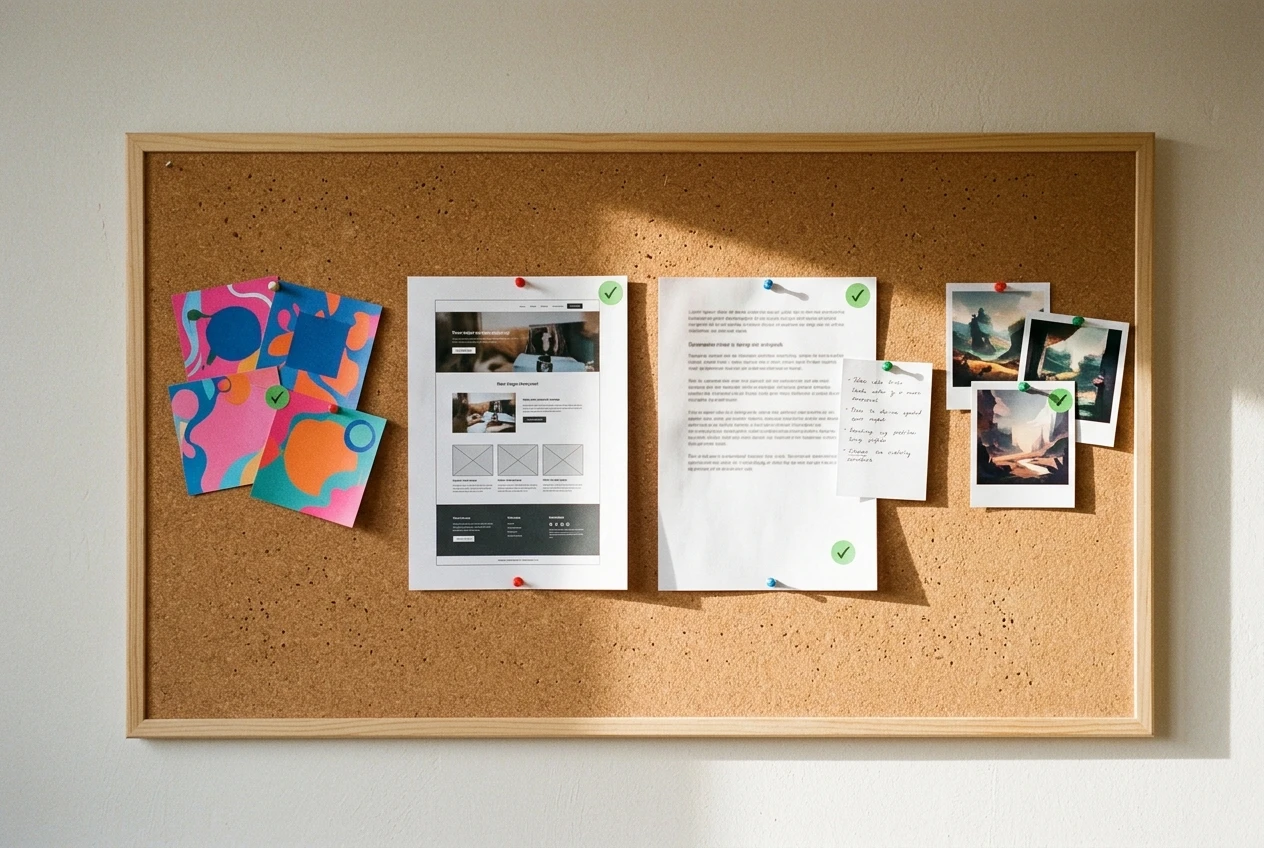
- Finished practice pieces. Not started, not nearly done: finished. A social post set, a one-page website, a short piece of copy, a set of AI images that hang together. A finished piece is evidence you can complete work, which is a skill in itself.
- Pieces I’d be willing to show. Over time, some practice work will look good enough to show a stranger. Counting these separates volume from quality.
- A place where the work lives. A simple portfolio page, a profile, or a folder of examples. Without it, anyone who might hire you can’t see your best work.
- Feedback from another person. One comment from someone who isn’t a friend and is trying to be nice counts. Specific criticism is more valuable than praise because it tells you what to fix.
- Repeat improvement on the same task. Redo an early piece later and compare the two. If the second version is better, you have measured your progress directly.
- Strangers looking. A view, a follow, a saved post, a click on the portfolio. The numbers will probably be small. The signal is that someone outside your circle found the work.
- A first real inquiry. Someone asks what you charge, whether you are available, or whether you can do a specific job. It doesn’t need to turn into a sale to count. It shows that what you offer is understandable and relevant to somebody.
- A first paid job. This comes last on the list because it depends on everything before it.
None of these needs a client, and all of them are checkable. A beginner can honestly say, “I have finished four practice pieces and shown two,” long before saying, “I have a customer.”
How I’m choosing what to learn first when everything looks interesting
Five skills create a real problem: each one is interesting, so it is easy to sample them all and finish none. The risk is spending months on a little of everything and finishing nothing in any area.
If you are in the same position, a few questions make the choice more concrete:
- Which skill can you turn into a finished piece fastest? You can finish a short piece of copy or a small set of social graphics in a sitting. A full website takes longer. Quick finishes give you early signs of progress sooner.
- Which skill do others in your reach already ask for? If people around you run small businesses that need posts or a simple page, that is a place to find your first inquiry.
- Which skill supports the others? Copywriting improves social captions, web pages, and content. AI image creation can supply visuals for social posts and sites. A skill that feeds several others earns its place early.
- Which one do you actually want to keep doing? You will practice it repeatedly, and enjoyment makes that easier to sustain.
Choose one skill as the main focus and one as a supporting skill, and leave the rest until the first two produce finished work. You can adapt that method, and your answers may point somewhere different from mine.
What staying consistent looks like in my week
Consistency matters more here than intensity, because the signs above come from repeated small outputs. Burning through twelve hours in one weekend and then nothing for a fortnight produces less than a short session every day.

For a beginner with limited hours, a workable week has a few fixed parts:
- Set sessions on set days. Put them in the calendar like an appointment. A session you intend to do “when there’s time” tends not to happen.
- One finished thing per week as a minimum. Make it small enough to be achievable. A completed small piece beats an ambitious one that stays open.
- A short review at the end of the week. Check the list of signs: what was finished, what was shown, what improved. Writing it down takes minutes and makes slow progress visible.
- A rest day. Skipping rest leads to dropping the whole routine.
You choose the exact hours and days. What matters is that you can repeat the schedule for months.
What I’ll report back on
I’ll report on the signs listed above: how many practice pieces are finished, which ones are good enough to show, where the work is published, what feedback comes in, whether anyone outside my circle looks at it, and whether any inquiry arrives. I’ll include the slow stretches and the results that don’t impress, because those are what a beginner needs to see.
If I land a first paid job, I’ll say how it happened. Until then, I’m answering whether I am moving in the right direction, which I can check every week.
Over to you
Which of these skills are you starting with: social media, web design, content creation, copywriting, or AI images? And which early sign of progress are you tracking, whether it is a first finished piece, a first piece of feedback, or a first inquiry? Share it in the comments so other beginners can see what progress looks like for different people.