A client recently asked me directly: with AI image tools able to produce a picture in seconds, is AI taking over graphic design? My first answer was that they have a point. The pressure on the trade is real, and anyone selling only one-off images should take it seriously.
My second answer was about the work itself. I do more than graphics. I also handle social media management, website design, copywriting, and content creation, and AI hasn’t replaced that broader work. This article covers what has changed, what clients still pay for, and how a designer can reposition around it.
Is AI taking over graphic design? What has genuinely changed
Some things have changed, and pretending otherwise doesn’t do designers any favors.
- Basic image generation is cheap and fast. A business owner can type a description and get a usable illustration, background or concept image in under a minute.
- Stock-style work is under pressure. Generic hero images, decorative backgrounds, and filler illustrations used to be a steady source of small jobs. A lot of that demand now goes to a prompt box.
- Clients have new expectations. Many people now assume design should be nearly free and instant, because they have seen how quickly a tool can output something.
- First drafts have stopped being the product. A designer who charged mainly for getting a rough idea onto the screen has lost that selling point.
If your whole offer is “I will make you an image,” you are competing with software that makes images for almost nothing. That is a hard position, and it is better to say so plainly than to wave it away.
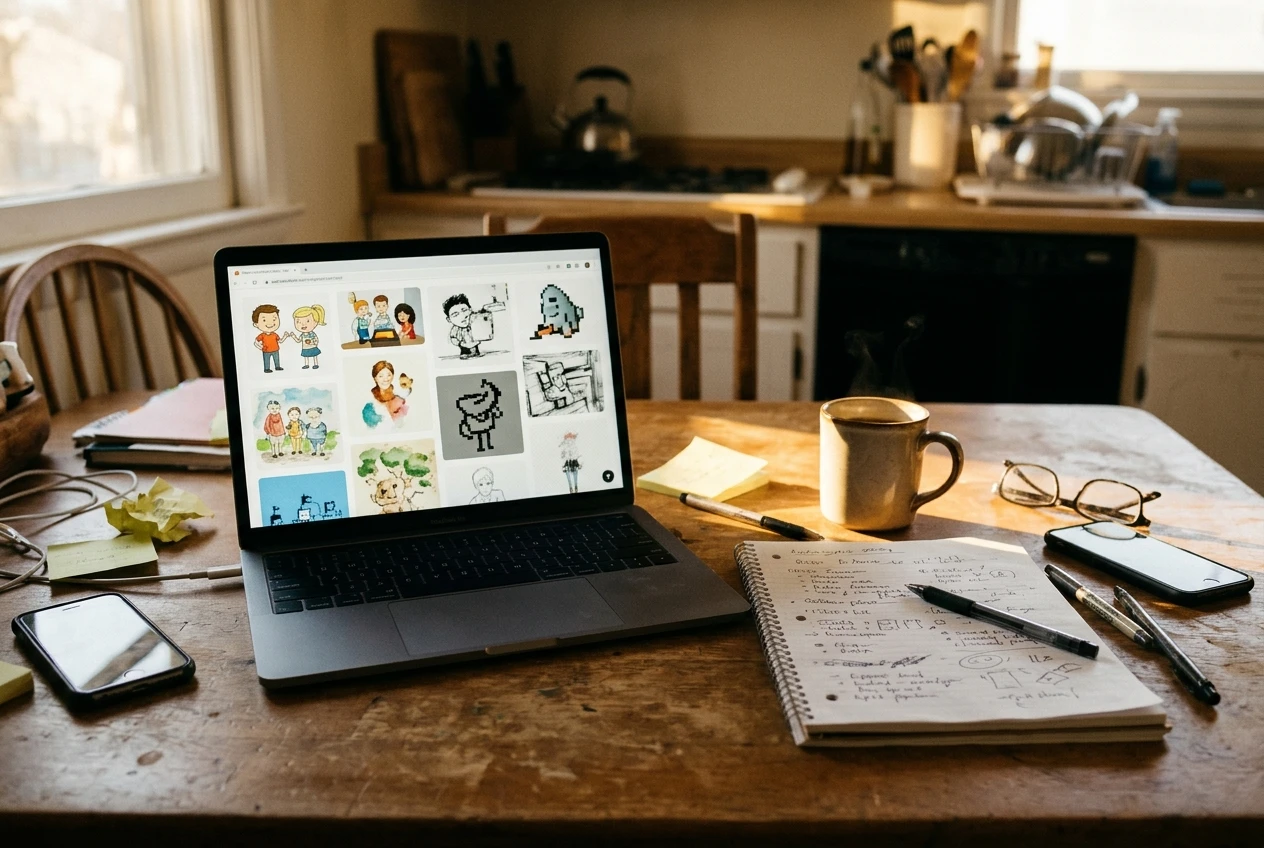
The same tools do help designers. I have written about turning a daft idea into a Facebook post with an AI image tool, and it is a quick way to explore ideas. A tool that speeds up the early stage is useful. It only becomes a threat when the early stage is the only thing you sell.
Generating a picture is not designing for a business
A generated image is one asset. A business needs that asset to do a job, and several things have to be decided before it can.
Who is it for, and what should they do next? A post that announces a sale, one that introduces a service, and one that asks a question each needs a different layout, emphasis, and call to action. A tool produces what the prompt describes. It doesn’t know that this week’s priority is booking inquiries rather than likes.
Does it match the brand? A business has colors, fonts, a tone, and a way of showing its work. Each image from a generator can look different from the last. A feed built from mismatched pictures looks like several unrelated businesses, and the owner usually feels it before they can say why.
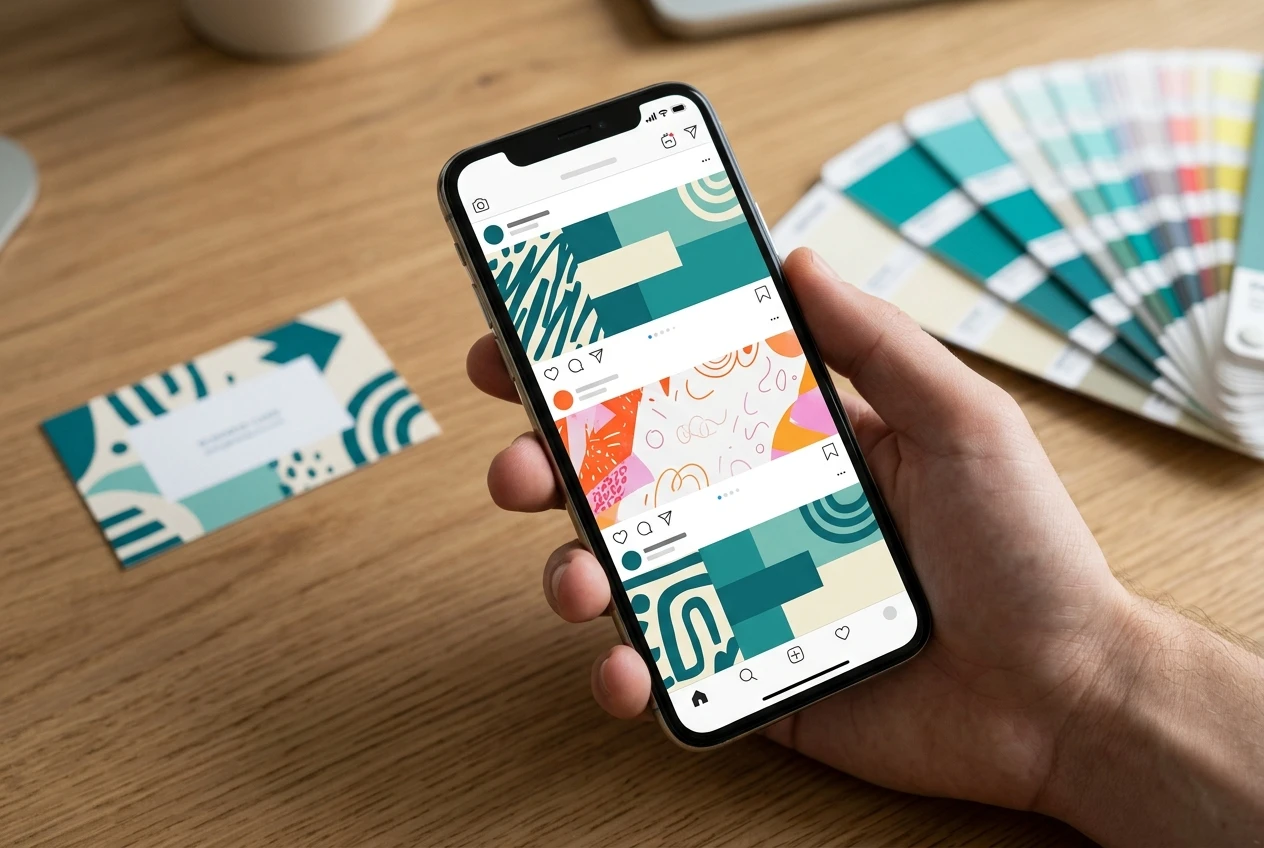
Does it fit the platform? Facebook, Instagram, a website header, and a printed card all have different dimensions, safe areas, and reading conditions. A post seen on a phone in a fast scroll needs large, clear text and a single focal point. Choosing those things is a design decision.
Is every detail correct? Image tools can still distort text, misspell words, and invent details such as hands, logos, or product features. Someone has to check each word and each detail before it goes out under the business’s name. A mistake in a price or a phone number costs the owner money.
Does it say the right thing? The words on a graphic matter as much as the picture. A headline, a short caption, and a clear button or instruction are copywriting jobs, and they decide whether the post gets a response.
That doesn’t mean AI images are useless. It means the picture is only a small part of what the business is buying, and the rest still needs a person who understands the business.
What clients still pay for
When I look at the work I do, clients value the parts a prompt box doesn’t cover most.
Time they do not have
Most small business owners aren’t short on ideas for what to post. They are short of hours. They run the business, serve customers, and handle the admin, and the feed goes quiet because nobody has a free afternoon to plan, design, write, and schedule.

AI doesn’t fix that, because the tool still needs someone to run it. Writing the prompts, picking the best result, fixing it, adding the text, sizing it for each platform, writing the caption, and scheduling it all take time. A business owner who is already stretched won’t find that time just because the image step got faster.
This is where being available matters. Many owners don’t have as many hours as a designer can offer, and that gap is the service. Handing over the whole routine so it simply gets done is worth paying for.
Consistency
Posting regularly is hard to keep up, and it is what makes a page grow. I have written about why consistency beats perfection on social media, and the point holds up well against AI: a steady, recognizable presence does more for a page than an occasional striking image.
A designer who also manages the account becomes the person responsible for the page showing up every week. That responsibility is hard to automate because it involves planning, follow-through, and noticing what works.
Judgment about what to make
Tools answer the request they are given. A designer decides what request to make. That includes which offer to promote this week, which business photo is worth using, how to word a headline for that audience, and when a plain design will outperform an elaborate one.
Clients rarely ask for this directly. They notice it when it is missing, in feeds that look busy but say nothing in particular.
Someone to answer to
When something is wrong, a client wants to tell a person and have it fixed. Revisions, feedback, and a working relationship are part of what they are buying. A designer who listens to feedback and improves the next batch gives the client something a one-off generation cannot.
How a designer can reposition
If the picture itself is becoming cheap, sell the outcome around it. These changes make the most practical difference.
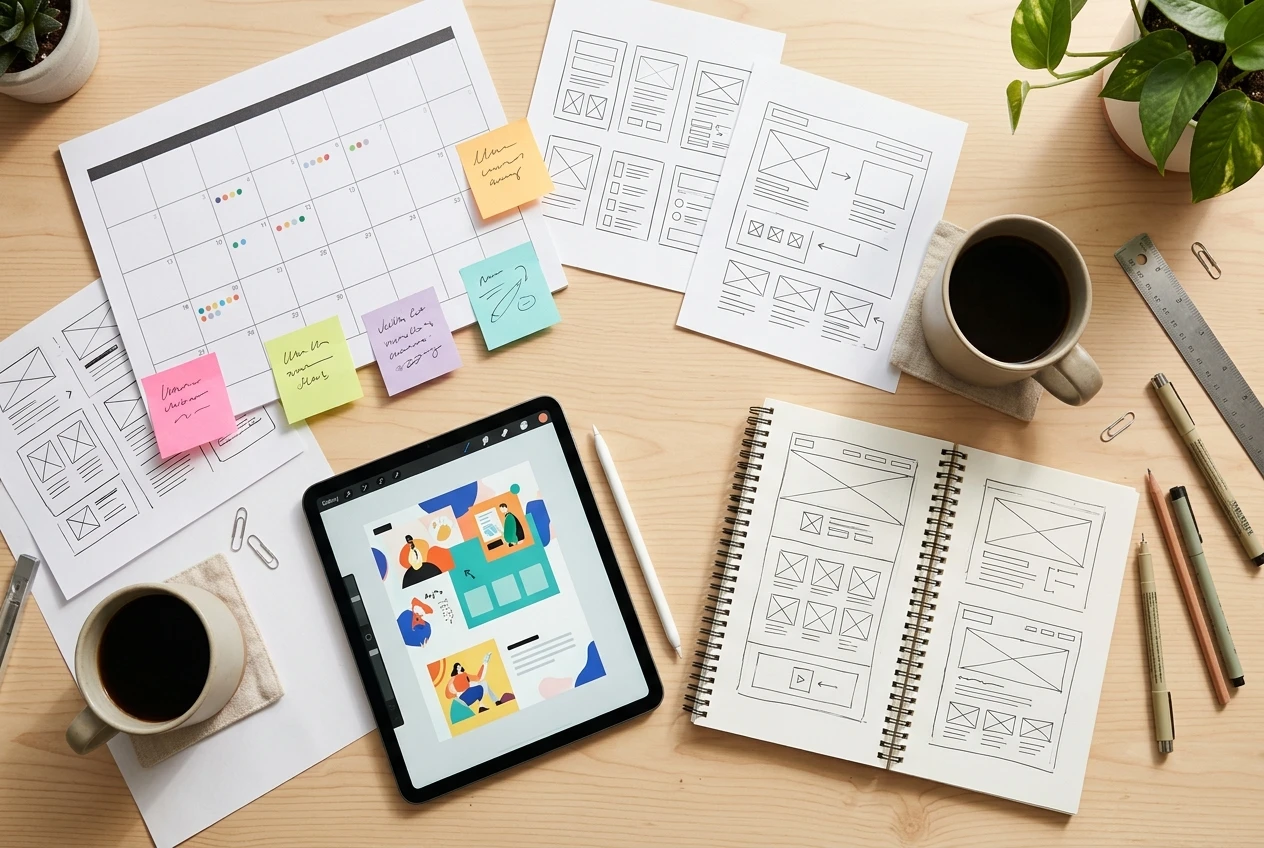
- Widen the service. Design, social media management, website design, copywriting and content creation fit together naturally. A client who needs a consistent presence needs all of them, and one person handling the lot is easier to work with than four separate suppliers.
- Sell ongoing work over single jobs. A monthly arrangement covering planning, graphics, captions, and posting suits businesses that need consistency. It also gives the designer steadier income than a series of one-off requests. I explain why social media design and management beats one-off graphics.
- Use AI where it helps. Use it for ideas, rough concepts, backgrounds, and quick variations. Then do the work that needs judgment yourself: layout, brand fit, text, checking, and finishing. Clients benefit from faster turnaround, and you stay in control of quality.
- Describe your work in terms of results. “Posts that get your phone number noticed” is a clearer offer than “graphics.” Explain what the client gets: a page that stays active, a consistent look, and customers who know what to do next.
- Show the whole process. Clients who see how an idea becomes a finished, scheduled post understand why it costs what it does. Walking them through your workflow answers the “why not just use AI?” question before they ask it.
- Keep learning the tools. A designer who understands what AI can and cannot do gives better advice. If a client wants to use a tool for something simple, you can say so honestly and point to where your work adds value.
What this means for business owners
If you run a small business and are wondering whether you still need a designer, the useful question is how much of the work you want to do yourself.
An AI tool can be a reasonable choice if you enjoy it, have the hours, can check the results carefully, and are happy with a look that varies from post to post. Plenty of owners do exactly this for occasional posts.
If your page has gone quiet, your posts look different every week, or you keep meaning to get to it and never do, the missing piece is time and consistency, and a designer who also manages social media supplies both. I have set out the case in more detail for why your business needs a designer who can also manage social media.
A sensible way to decide is to count the steps between an idea and a published post: planning, creating, writing, checking, sizing, scheduling and replying. Then decide which of those you want to keep.
What this means for freelance and aspiring designers
If you are starting out, the trade has changed, but the demand has not disappeared. There is plenty of work for businesses that need a steady presence. What’s harder is making a living from simple, standalone images.
Learn design fundamentals first: layout, hierarchy, color, type, and how people read a feed. Those skills let you judge any output, whether it came from a person or a tool. Then add the surrounding skills: writing captions, planning content, building simple websites, and managing an account week after week.
A designer who can take a business from a vague need to a finished, scheduled, and reviewed set of posts is useful in a way that image generation alone is not. Designers who struggle sell only the image; those who do well treat the image as one piece of a larger service.
The answer to the question I was asked is that AI has changed how images get made and what they are worth on their own. Businesses still need someone to decide what to say, make it look right, keep it consistent, and publish it, and that someone can be a designer whose job has widened to match.